10 Tips to Be Active Adults
Be Active Adult

Being physically active is important for your health. Adults who are physically active are less likely to develop some chronic diseases than adults who are inactive. Physical activity is any form of exercise or movement of the body that uses energy. People of all ages, shapes, sizes, and abilities can benefit from a physically active lifestyle.

  1. Start activities slowly and build up over time
    If you are just starting physical activity, build up slowly. This will help to prevent injury. After a few weeks, increase how often and how long you are active.
  1. Get your heart pumping
    For health benefits, do at least 2½ hours each week of physical activity that requires moderate effort. A few examples include brisk walking, biking, swimming, and skating. Spread activities over the week, but do them at least 10 minutes at a time.
  1. Strength-train for health muscles and bones
    Do strengthening activities twice a week. Activities that build strength include lifting weights, doing push-ups and sit-ups, working with resistance bands, or heavy gardening.
  1. Make active choices throughout the day
    Every little bit of activity can add up and doing something is better than nothing. Take the stairs instead of the elevator, go for a 10-minute walk on your lunch break, or park further away from work and walk.
  1. Be active your way
    Mix it up—there are endless ways to be active. They include walking, biking, dancing, martial arts, gardening, and playing ball. Try out different activities to see what you like best and to add variety.
  1. Use the buddy system
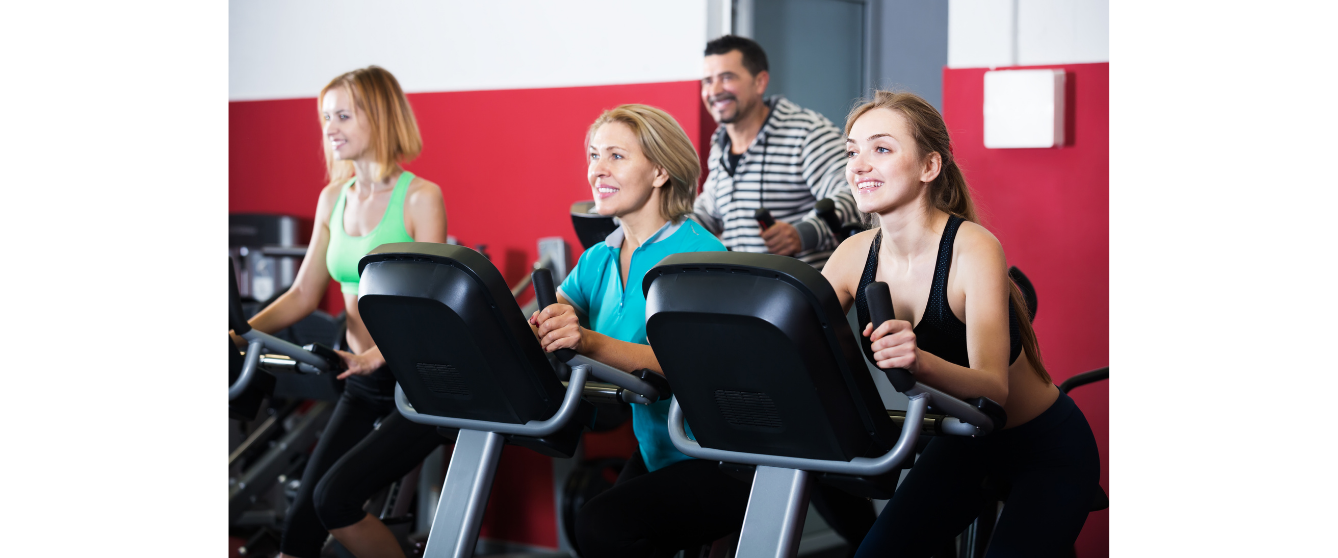
    Activities with friends or family are more enjoyable than doing them alone. Join a walking group, attend fitness classes at a gym, or play with the kids outside. Build a support network—your buddies will encourage you to keep being active.
  1. Set goals and track your progress
    Plan your physical activity ahead of time and keep records. It’s a great way to meet your goals.
  1. Add on to your active time
    Once you get used to regular physical activity, try to increase your weekly active time. The more time you spend being physically active, the more health benefits you will receive.
  1. Increase your effort
    Add more intense activities once you have been moderately active for a while. You can do this by turning a brisk walk into a jog, swimming or biking faster, playing soccer, and participating in aerobic dance.
  1. Have fun!

Physical activity shouldn’t be a chore. It can help you feel better about yourself and the way you live your life. Choose activities that you enjoy and that fit your lifestyle.

For more healthy tips, follow us on Facebook. For recipes visit etfbrecipes.org.

The tips featured in this blog post were developed by the USDA. For more information, visit myplate.gov.

Let’s Build A Healthy Meal

Build A Healthy Meal_blog

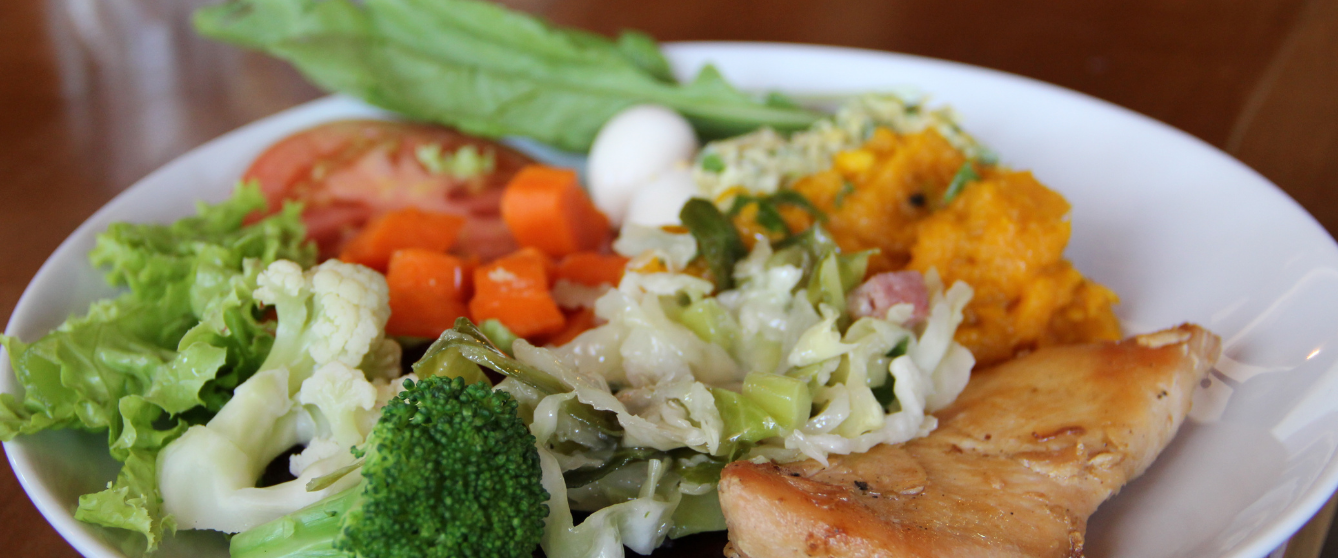
Each meal is a building block in your healthy eating style. Make sure to include all the food groups throughout the day. Make fruits, vegetables, grains, dairy, and protein food part of your daily meals and snacks. Also, limit added sugars saturated fat, and sodium.

  1. Make half your plate veggies and fruits
    Vegetables and fruits are full of nutrients that support good health. Choose fruits and red, orange, and dark green vegetables such as tomatoes, sweet potatoes, and broccoli.
  2. Include whole grains
    Aim to make at least half your grains whole grains. Look for the words “100% whole grain” or “100% whole wheat” on the food label. Whole grains provide more nutrients, like fiber, than refined grains.
  3. Don’t forget the dairy
    Complete your meal with a cup of fat-free or low-fat milk. You will get the same amount of calcium and other essential nutrients as whole milk but fewer calories. Don’t drink milk? Try a soy beverage (soymilk) as your drink or include low-fat yogurt in your meal or snack.
  4. Add lean protein
    Choose protein foods such as lean beef, pork, chicken, or turkey, and eggs, nuts, beans, or tofu. Twice a week, make seafood the protein on your plate.
  5. Avoid extra fat
    Using heavy gravies or sauces will add fat and calories to otherwise healthy choices. Try steamed broccoli with a sprinkling of low-fat parmesan cheese or a squeeze of lemon.
  6. Get creative in the kitchen
    Whether you are making a sandwich, a stir-fry or a casserole, find ways to make them healthier. Try using less meat and cheese, which can be higher in saturated fat and sodium, and adding in more veggies that add new flavors and textures to your meals.
  7. Take control of your food
    Eat at home more often so you know exactly what you are eating. If you eat out, check and compare the nutrition information. Choose options that are lower in calories, saturated fat, and sodium.
  8. Try new foods
    Keep it interesting by picking out new foods you’ve never tried before, like mango, lentil, quinoa, kale, or sardines. You may find a new favorite! Trade fun and tasty recipes with friends or find them online.
  9. Satisfy your sweet tooth in a healthy way
    Indulge in a naturally sweet dessert dish – Fruit! Serve a fresh fruit salad or a fruit parfait made with yogurt. For a hot dessert, bake apples and top with cinnamon.
  10. Everything you eat and drink matters
    The right mix of foods in your meals and snacks can help you be healthier now and into the future. Turn small changes in how you eat into your MyPlate, MyWins.

For more healthy tips, follow us on Facebook. For recipes visit etfbrecipes.org.

The tips featured in this blog post were developed by the USDA. For more information, visit myplate.gov.
Hunger hurts our kids’ futures

HAM Blog_ChildHunger

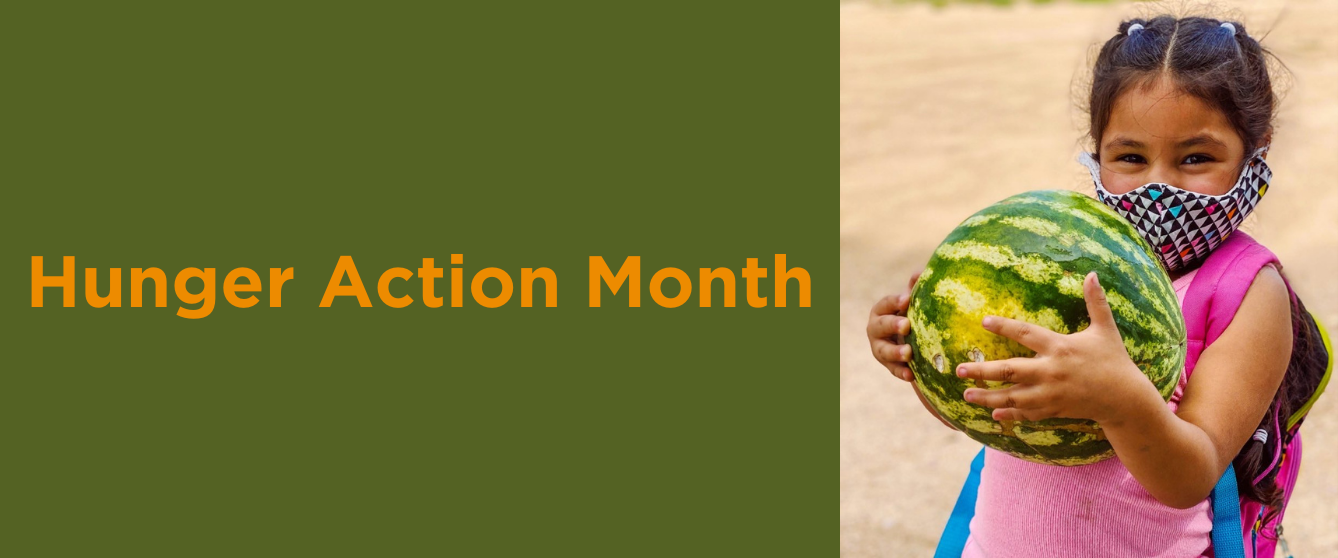
A child’s chance for a bright tomorrow starts with getting enough food to eat today. Did you know that over 85,000 East Texas children – 1 in every 4 kids – may not know where they will get their next meal?

Kids who don’t get enough to eat — especially during their first three years — begin life at a serious disadvantage. When they’re hungry, children are more likely to be hospitalized and will face higher risks of health conditions like anemia and asthma. As they grow up, kids struggling to get enough to eat are more likely to have problems in school and other social situations.

The East Texas Food Bank works to fight hunger for children through year-round programs.
  • On the weekends, our BackPack Program provides easy to open food that doesn’t require any cooking.
  • After school, the Kids Café program provides healthy snacks and meals.
  • During the summer, the Summer Food Program provides healthy breakfast and lunch meals.
  • At home, our Food Pantry Partners and Benefits Assistance Program provide meals for the whole family.

Feeding children facing hunger is a main priority for the East Texas Food Bank, but we can’t do it without your help. September is Hunger Action Month and we need everyone helping us fight hunger.

No action is too smail to help! By learning about hunger, committing to help and speaking up you can help us fight hunger. Click here to see how you can “take action” for the children in your community now.

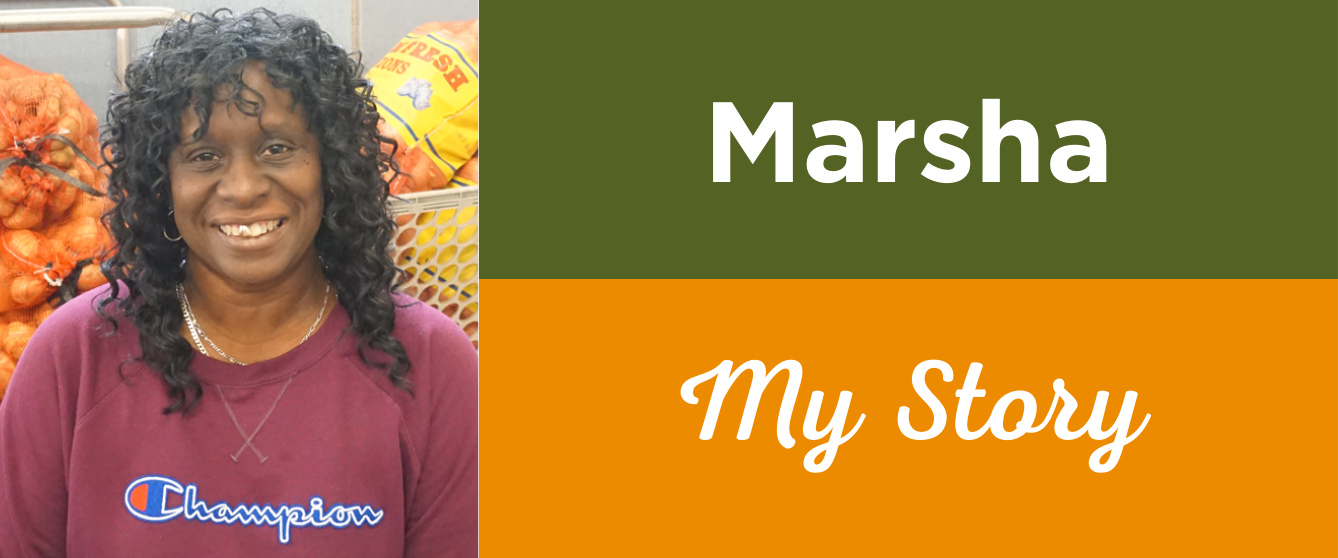
Marsha turned to food pantry when she “didn’t have anything”

Marsha - Blog Story

We met Marsha while she was visiting an East Texas Food Bank pantry partner. She lives alone now since her family moved to Dallas.

“I love to be around my family and like to travel,” she said. Marsha has two girls and two grandchildren.

Marsha retired in 2014 after years of being a cake decorator at a grocery store. She said with her current health conditions it has become much tougher to afford food and medications.

“I’m diabetic, have high blood pressure and arthritis,” she said.

Marsha said that she visited the pantry the first time because she was out of food at home. She also didn’t want to burden her children because “they are trying to take care of their kids too.”

“I didn’t have anything and a friend of mine said to go down there and they will help you,” she said. “I came here, got groceries and was so happy.”

Of the food items she received, Marsha was glad to have some healthy items to help with her diabetes.

“The healthy food helps a lot,” she said. “I can’t tell the difference in the taste, so it’s really the same to me.”

Marsha is appreciative of everyone that helps the East Texas Food Bank and at the pantries.

“There are some loving, kind people and they take time out of their lives to help us,” she said. “Without them, we couldn’t make it. We’d be hungry so I thank you so much.”

If you would like to help families like Marsha’s that the East Texas Food Bank works to feed each day, you can make a donation online, volunteer with us or host a virtual food drive.

“It felt like Christmas. Even better when I opened the box and saw all the food.”

Mail delivery is always an exciting time for us here at the East Texas Food Bank. Not only do we receive generous gifts from our donors and supporters, we also get letters from families that have been helped by our partner food pantries and feeding programs. Today, we wanted to share one of these letters in their own words:

“Just wanted to tell you of my experience with the East Texas Food Bank. I was trying to pay off bills – I do not do owing money well. Every month I have made myself a very tight budget. My friend encouraged me to go to the food bank so I would have food and not have a big food bill. Maybe not the best reason. I would not have starved. While I was in line, (my friend) stayed on the phone with me so I would not ‘chicken out’. I have never done this before. This is what I experienced.

Fear of being judged – I was not judged. Humility, gratitude followed. Workers were so kind and joyous. At one point, I teared up because I was touched. I was uncomfortable to ask them not to put sweets in the box since I have diabetes. They did not make me feel bad. They gave me nuts which I can eat.

I live alone. It felt like Christmas. Even better when I opened the box and saw all the food. Not one thing did I not use.

I realized also from my friend that there is a culture around receiving this food. My friend shares with others that need it – as I have been a blessed recipient of the blessings. All of a sudden, I was cooking and looking up recipes and got out of the ‘dump’ I was in emotionally.

I thank you for the food ‘mission’ you are on. I was able to share with others and I was blessed!”

Letters like this are why we work every day in our mission of fighting hunger and feeding hope. You can help us by making a gift, volunteering or having a virtual food drive.