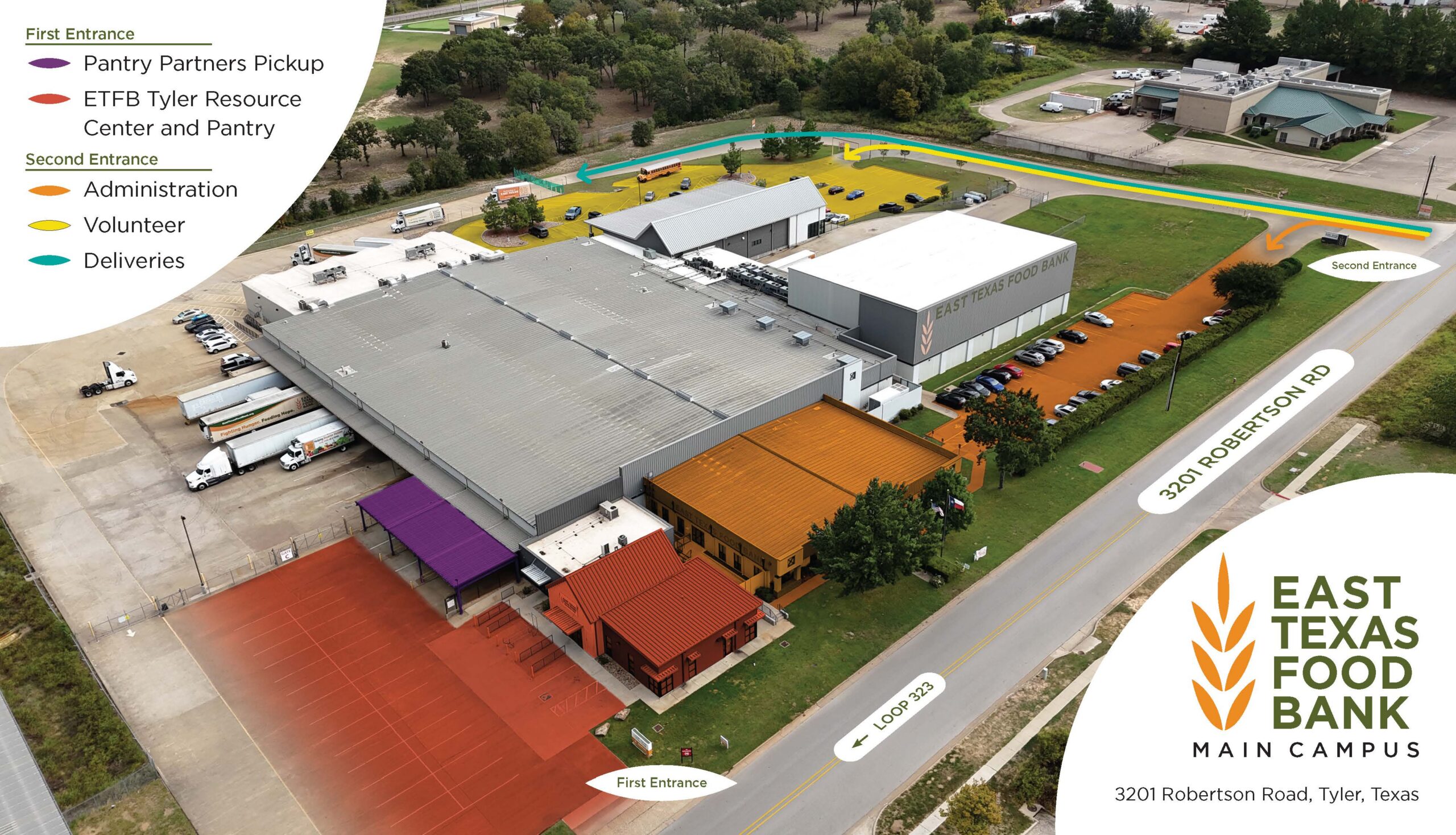
CHRISTUS Health awards $300,000 to strengthen East Texas communities

CHRISTUS Health awards $300,000 to strengthen East Texas communities
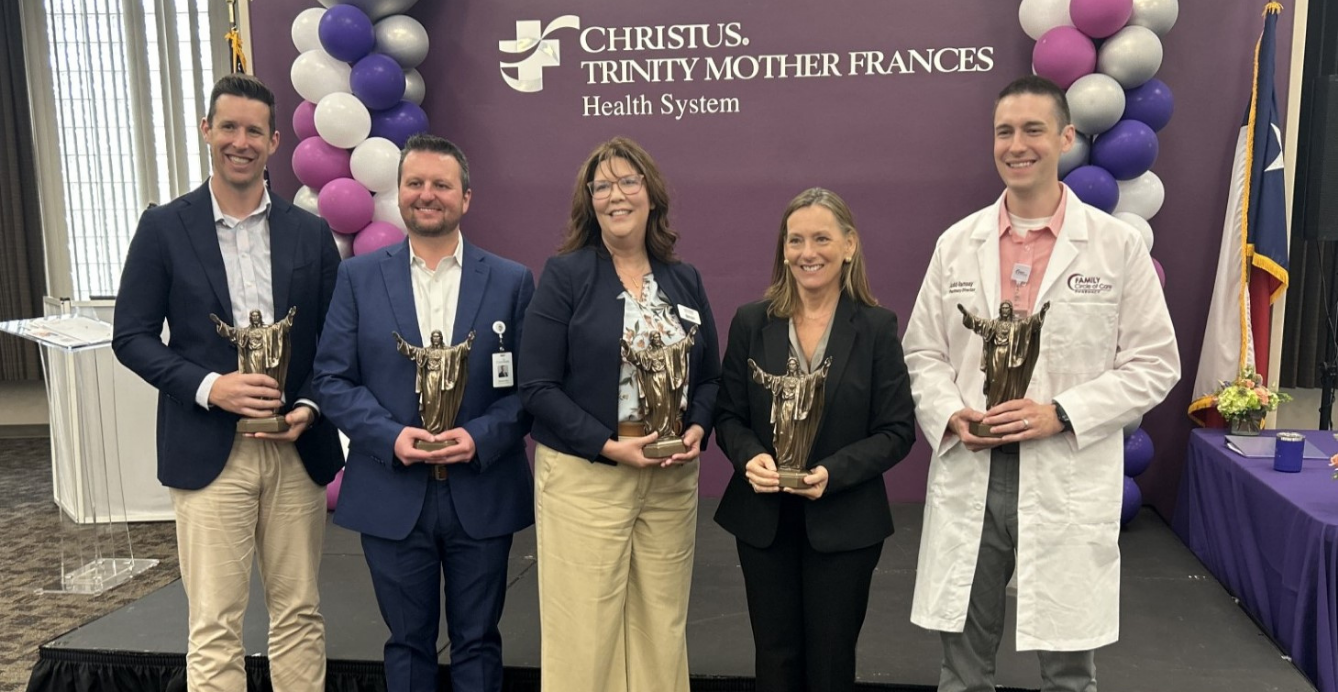
(TYLER, Texas) – Five East Texas nonprofit organizations have been selected to receive grants totaling $300,000 through the CHRISTUS Community Impact Fund (CHRISTUS Fund), supporting programs that improve the health and well-being of local communities. The recipients in the CHRISTUS Trinity Mother Frances Health System region are Sulphur Springs-based Carevide, East Texas Food Bank, Tyler-based Family Circle of Care, Hope Haven of East Texas and PATH (People Attempting to Help).

The organizations were recognized during the Blessing of the Hands ceremony on Aug. 25, an annual CHRISTUS Health tradition that celebrates the healing ministry of its Associates while recognizing community partners who share the organization’s mission of serving those most in need.

“The CHRISTUS Community Impact Fund is one of the many ways we live out our mission beyond the walls of our hospitals and clinics,” said Jessica Guerra, program manager for community development at CHRISTUS Health. “These organizations are making a meaningful difference every day by improving access to essential services and creating healthier, stronger communities. Through reliable community partnerships, we are honored to support their work and help make care and services more accessible.” Hope Haven of East Texas serves the region by caring for children and families impacted by the foster care system who have suffered abuse, neglect, trauma, placement disruptions and the feeling of being overlooked as a result.

Jamie Sanders, Hope Haven’s executive director, says the CHRISTUS Fund grant will expand behavior health services for foster care youth and will aid in the creation of a community-wide training and education program designed to equip East Texans with information regarding foster care issues. “We are incredibly grateful to the CHRISTUS Fund for investing in the lives of foster children who have experienced significant trauma. Too many children in foster care carry the invisible wounds of abuse, neglect and trauma,” she said. “This grant allows Hope Haven to expand trauma-informed mental health services so that young people in foster care receive not only a safe place to live, but also the counseling, life skills and compassionate support they need to heal, grow and build brighter futures.”

The local grants are part of a broader investment by the CHRISTUS Fund, which will provide more than $3.5 million this year to 56 nonprofit organizations across Texas, Louisiana, New Mexico and Latin America. The grants support programs addressing some of the most pressing needs in the communities CHRISTUS serves, including food insecurity, access to healthcare and housing insecurity.

Since its launch in 2011, the CHRISTUS Fund has invested more than $29 million into communities served by CHRISTUS Health, strengthening partnerships with organizations that share the ministry’s commitment to improving the health and quality of life for those most in need.

About CHRISTUS Health
CHRISTUS Health is an international faith-based, not-for-profit healthcare system based in Irving, Texas, with more than 65 hospitals, over 2,500 employed physicians, and a health plan with more than 250,000 covered lives in Texas, Louisiana, New Mexico, Chile, Colombia and Mexico. CHRISTUS Health is made up of 57,000 Associates providing compassionate and individualized care at more than 600 centers, including community hospitals, clinics, long-term care facilities and health ministries. Sponsored by the Sisters of Charity of the Incarnate Word of Houston, the Sisters of Charity of the Incarnate Word of San Antonio and the Sisters of the Holy Family of Nazareth, our mission is to extend the healing ministry of Jesus Christ to every individual we serve. For more information, visit christushealth.org.

Tyler ISD Schools Prepare for 36th Annual Pantry Raid

Tyler High and Tyler Legacy are coming together again this year before their big football rivalry to raise funds and food to support the East Texas Food Bank’s BackPack program as part of the 36th Annual Pantry Raid. 

The East Texas Food Bank and the Tyler Independent School District host the annual event. Since the pantry raid began in 1991, students have raised more than two million meals!  

“Child hunger is a concern in our region. According to new Feeding America Map the Meal Gap statistics, 1 in 4 East Texas children are food insecure,” said David Emerson, CEO of the East Texas Food Bank. “Many students’ families depend on the ETFB BackPack program to help fill the weekend hunger gap, so we greatly appreciate the students for keeping this event going for 36 years!” 

Last year, students raised funds and food to provide 137,000 meals. Tyler High and Tyler Legacy students will collect food and funds over the next several weeks. Monetary donations will support ETFB’s programs that serve Tyler ISD students, such as the BackPack Program. More than 8,800 East Texas children receive BackPacks every weekend filled with nutritious, kid-friendly food.  

“The yearly Pantry Raid shows what can happen when our two high schools come together for a shared purpose,” said Jennifer Hines, Tyler ISD Chief Communications Officer. “Our students know this effort is about helping classmates and families who may not have enough food over the weekend. For 36 years, they have continued to step up, serve others, and make a real difference in the lives of their peers.” 

The results are announced at halftime during the two Tyler schools’ annual football game on Friday, September 4, at Christus Trinity Mother Frances Rose Stadium. Donations can be made at www.tylerpantryraid.com  

New data shows food insecurity continues to rise in Texas

New research released from Feeding America, the national network of food banks building lasting solutions to end hunger, reveals food insecurity continues to rise across Texas. The findings are part of the 2026 Map the Meal Gap study featuring 2024 data, which is the only comprehensive, county-level study of food insecurity and food costs in the U.S.

Food insecurity means a household lacks enough money or resources to reliably access adequate food. It’s not just families who pay the price, it’s Texas too: worse health, kids falling behind in school, and higher costs down the road for our healthcare system and economy.

Today, 19.4% of Texans, or nearly 1 in 5 people, are experiencing food insecurity, up from 17.6%, or 1 in 6 Texans, in last year’s report. Texas continues to have the largest food insecure population in the nation, with 6,062,890 Texans facing food insecurity.

“This year’s Map the Meal Gap data underscores the reality that food insecurity continues to affect our neighbors across every demographic and geography in Texas, disproportionately impacting vulnerable populations, including children and seniors,” said Celia Cole, CEO of Feeding Texas. “While we continue growing our work to get nutritious food to families, this report reinforces the urgent need for strong public policy, community support, and partnerships that protect and increase food access for Texans.”

Statewide findings from the 2026 report also highlight the growing severity of food insecurity across Texas:

  • 1 in 4 Texas children are experiencing food insecurity, representing 26.1%, or 1,995,810 children, an increase from 22.2% last year.
  • 1 in 7 Texas seniors are experiencing food insecurity, increasing from 13.6% to 15.1%.
  • Food insecurity among White, non-Hispanic Texans increased from 11% to 12%, meaning 1 in 8 are now experiencing food insecurity.
  • Food insecurity among Black Texans increased from 31% to 34%, meaning 1 in 3 Black Texans are experiencing food insecurity.

The Map the Meal Gap study also reveals a significant portion of individuals experiencing food insecurity may not qualify for federal nutrition assistance programs like the Supplemental Nutrition Assistance Program (SNAP). Across the country, more than half of those struggling with food insecurity fall above the SNAP eligibility threshold, meaning many families must rely on local food banks and community meal programs to get by.

These findings are echoed by recent 211 Texas data from United Ways of Texas. From February to June 2026, calls to 211 seeking food assistance increased 28.6%, while referrals to food banks and food pantries rose nearly 37%, from 4,230 to 5,785 referrals. Among those seeking food assistance between January and June 2026, 43% were adults age 50 and older. During the same period, requests for home-delivered meals increased about 23%, growing from 510 to 629 requests.

Additionally, new provisions in HR 1, known as the “One Big Beautiful Bill Act,” shift certain program costs to states and tie significant new financial obligations to SNAP payment error rates—a statistical measure of how accurately SNAP benefits are calculated by Texas Health and Human Services.

Beginning October 1, 2027, states with payment error rates above 6% must share between 5-15% of SNAP benefit costs. Texas’ payment error rate for fiscal year 2025 is 9.34%, meaning the state could face up to $709 million per year in benefit costs beginning in fiscal year 2028. If states are unable to take on this new financial burden, it could put their participation in SNAP at risk, threatening SNAP benefits for millions of working families, children, seniors and veterans. 

Notably, states with exceptionally high payment error rates (above 13.34% in FY25), including Alaska and Georgia, have already been granted a two-year extension to meet the new requirements. 

Texas food banks currently distribute more than 700 million pounds of food annually through a network of more than 5,000 community partners, yet for every meal provided by food banks, SNAP provides nine. SNAP remains the nation’s most effective anti-hunger program and plays a vital role in supporting local grocers, retailers and agricultural producers across the state. Millions of households rely on SNAP at some point during the year to help stretch their grocery budgets.

“We’re calling on Congress to postpone the cost-share requirement for two years so every state has adequate time to implement these improvements before being subjected to significant financial penalties,” Cole said. “Our priority should be ensuring the policy is implemented effectively while safeguarding eligible families’ access to food assistance.”

For more information about Feeding Texas and its statewide network of food banks, visit feedingtexas.org. Individuals can also visit Feeding Texas’ Action Form to contact members of Congress regarding the proposed SNAP cost share delay.

About Feeding Texas
Feeding Texas is a statewide network of food banks leading a unified effort to end hunger in Texas. Its goal is to ensure access to adequate, nutritious food for all Texans, improve the health and financial stability of the communities they serve, and engage all stakeholders in advocating for hunger solutions. Learn more at FeedingTexas.org.   

Feeding America Study Shows More East Texas Children Are Going Hungry

New Map the Meal Gap data reveals 1 in 4 children in East Texas faces food insecurity


TYLER, Texas — More children across East Texas are experiencing food insecurity, according to new data released today by Feeding America through its annual Map the Meal Gap study.

The latest findings show that 83,090 children in the East Texas Food Bank’s 26-county service area experienced food insecurity in 2024, an increase of nearly 3,000 children from the previous year. The data means 1 in 4 East Texas children do not have consistent access to enough nutritious food.

In 2023, an estimated 80,250 children in East Texas were food insecure. The updated study, based on 2024 data, highlights a growing challenge for families already struggling with rising costs and economic uncertainty.

The counties with the highest child food insecurity rates in the East Texas Food Bank’s service area are:

  • Marion County – 38%
  • St. Augustine County – 37%
  • Shelby County – 32%
  • Angelina County – 31%
  • Red River County – 31%

Several of East Texas’ largest counties also continue to experience significant child food insecurity:

  • Bowie County – 28%
  • Gregg County – 28%
  • Smith County – 24%

“No child should have to worry about where their next meal is coming from,” said David Emerson, CEO of the East Texas Food Bank. “Yet thousands of children across East Texas may go to bed hungry or without the nutrition they need to grow, learn, and thrive. Through programs like Summer Feeding, the BackPack Program, our network of partner pantries, resource centers, and produce distributions, we’re working every day to meet that need—but these new numbers show there is still much more work to do.”

While child food insecurity increased, the report found a slight improvement among adults. The adult food insecurity rate in East Texas declined from 18.2% to 17.9%, improving from approximately 1 in 5 adults to 1 in 6 adults experiencing food insecurity.

The East Texas Food Bank is one of more than 200-member food banks in Feeding America’s nationwide network. Map the Meal Gap is the only study that provides local-level estimates of food insecurity and food costs for every county and congressional district in the United States.

“Food insecurity isn’t a problem happening somewhere else, it’s affecting families in every community across East Texas,” Emerson said. “Hunger remains especially severe in many rural areas, where unemployment, rising living costs, transportation barriers, and health challenges make it even harder for families to put food on the table. These findings remind us that it takes all of us—neighbors, businesses, community organizations, and policymakers—working together to create a future where everyone has access to nutritious food.”

The Map the Meal Gap study is supported by Conagra Brands Foundation, Enterprise Mobility Foundation and NielsenIQ/NIQ.

Methodology:

Map the Meal Gap uses publicly available data from the USDA Economic Research Service, U.S. Census Bureau, and Bureau of Labor Statistics to estimate local food insecurity at the county, congressional district, and state levels. The study also estimates local meal costs and food budget shortfalls using food price data from NIQ based on the USDA Thrifty Food Plan, and grocery sales tax data for every county and state in the country.

To learn how food insecurity impacts your community, visit EastTexasFoodBank.org and click on Map the Meal Gap.

Truckload of Donated Food Arrives in Tyler—one of 250 donations across the US— as America250 and The Church of Jesus Christ of Latter-day Saints Support Families Facing Hunger

TYLER, TX – As the United States celebrates the 250th anniversary of the signing of the Declaration of Independence in 2026, America250, The Church of Jesus Christ of Latter-day Saints, and East Texas Food Bank will welcome a fully-loaded JustServe/America250 branded truck carrying up to 40,000 pounds of Church-donated food for families in need across East Texas.

This is part of a national collaboration kicked off in November 2025, in which 250 truckloads of food will be donated to communities in all 50 states, with one in Dallas recently delivered in May of this year. Through America250’s America Gives initiative and the Church’s JustServe platform, volunteers, local leaders, and community organizations are coming together to put service into action. JustServe is a community service platform sponsored by The Church of Jesus Christ of Latter-day Saints that connects volunteers with local service opportunities. Its purpose is to help individuals and organizations strengthen their communities by serving together. There will be a service project following the donation. Volunteers will help bag, pack, and box food for later distribution to individuals and local families in need.

The Church is using its established infrastructure, volunteer network, and humanitarian food resources to help bring America250 into neighborhoods like those in Tyler, turning a national commemoration into local service. The Church has a long-standing partnership with the East Texas Food Bank, with truckloads of food arriving annually. Most recently the Church donated 15,000 pounds of meat in June of this year.

The 250 deliveries will provide millions of meals to families in need across the United States as part of the America Gives initiative. Congressman Nathaniel Moran will be in attendance as well as Church and community leaders.

A special “Heart of Service” award will be announced and presented at the donation celebration. Americans are invited to help make 2026 a record-setting year for volunteer service. Join the initiative and find volunteer opportunities at JustServe.org.

About America250
America250’s mission is to celebrate and commemorate the 250th anniversary of the signing of the Declaration of Independence, marking America’s Semiquincentennial. We aim to inspire our fellow Americans to reflect on our past, strengthen our love of country, and renew our commitment to the ideals of democracy through programs that educate, engage, and unite us as a nation. America250 will foster shared experiences that spark imagination, showcase the rich tapestry of our American stories, inspire service in our communities, honor the enduring strength, and celebrate the resilience of the United States of America.

About The Church of Jesus Christ of Latter-day Saints
The Church of Jesus Christ of Latter-day Saints is a global faith centered on Jesus Christ and His teachings. With more than 17 million members worldwide, the Church seeks to follow the Savior’s example by strengthening individuals, families, and communities through worship and service. For more information, visit the Church’s Newsroom.

About JustServe
JustServe is a community service platform sponsored by The Church of Jesus Christ of Latter-day Saints that connects volunteers with local service opportunities. Its purpose is to help individuals and organizations strengthen their communities by serving together.