Let’s Find Out More About Fiber
Fiber

What is Fiber?

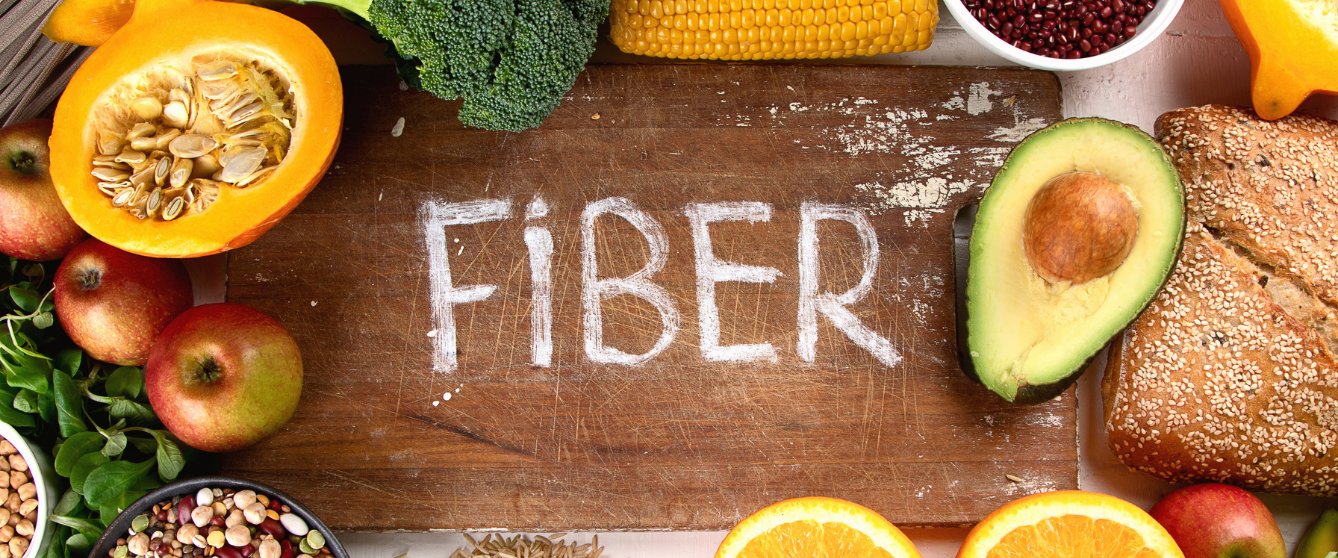
Dietary fiber is the part of plant foods that can’t be digested or absorbed by the body. This is naturally found in whole grains, fruits, vegetables, and beans and legumes. There are two different types of fiber, soluble and insoluble.

Benefits

  • Heart disease: fiber may help prevent heart disease by reducing cholesterol
  • Weight Management: slows digestion keeping you fuller for longer. Foods high in fiber also are usually lower in calories!
  • Diabetes: slower digestion means it may also help reduce blood sugar spikes after meals
  • Digestive Issues: improve frequency and bulk of bowel movements

How much do we need?

The recommended amount of dietary fiber is about 25g for women and 38g for men daily for the general healthy population. More than 90% of women and 97% of men do not meet the recommended intakes for dietary fiber according to the Dietary Guidelines for Americans.

How to increase it?

Fiber is found in higher amounts in whole grains and beans than fruits and vegetables. Other sources of fibers include oatmeal, whole-wheat flour, nuts, wheat bran, beans, peas, carrots, oranges, apples, and other vegetables.

  • Mix in oats where it’s possible whether it be meatloaf and bread or cookies and smoothies
  • Don’t forget the beans in your next soup or salad
  • When baking, substitute whole-wheat flour for half of the white flour your recipe calls for
  • Choose whole fruits over fruit juices as more fiber is in the whole fruit and less chances of consuming added sugars
  • Always find new ways to make sure you reach the amount of fruits and vegetables you need in a day by adding them to sandwiches, salads or noodle and rice dishes.

Remember fiber consumed naturally is always a better route than supplements (unless otherwise instructed by your primary care physician or registered dietitian)

Cautions

Make sure as you dive into adding more fiber into your diet, you gradually add it in and drink plenty of water with it to prevent gas, bloating, and abdominal cramps.

Sources:

https://www.eatright.org/food/vitamins-and-supplements/nutrient-rich-foods/fiber

https://www.dietaryguidelines.gov/sites/default/files/2021-03/Dietary_Guidelines_for_Americans-2020-2025.pdf

For more healthy tips, follow us on Facebook @ETXCommunityTable. For recipes visit etfbrecipes.org.
November Media

Here’s a look at some stories about the East Texas Food Bank during the month of November 2021:

Facts about Fats

Fats

There are a wide variety of options when it comes to fats that we consume through our food market from mono- and polyunsaturated fats, omega-3 and omega-6 fatty acids to hydrogenated oils and trans fats. With so many fats available, it can get confusing knowing which ones to consume, have in moderation, and to avoid. So, we are here to set the fat facts straight.

  • Fats are essential
    Our body runs off of the energy that fat gives us, along with carbohydrates and protein. Our bodies need fat to fully function! Fats do a lot of good for you by not only giving you energy, but also by supporting cell growth, cushioning your organs, keeping you warm, and helping absorb other nutrients. Fats also make food taste good with extra flavor and texture.
  • The Good, the Bad, and the Unknown
    While no one food is good or bad, there are some that contain fats that we should limit or have in moderation.
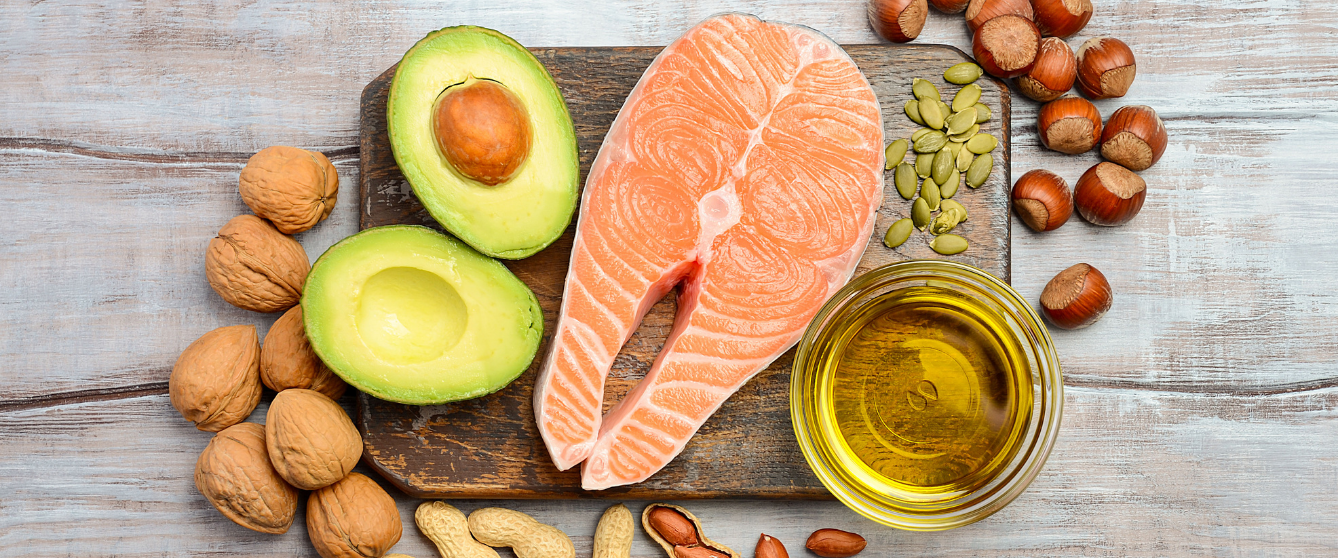
    Healthy fats can be characterized as fats that help lower your total cholesterol and your LDL (bad) cholesterol. They also reduce risk of stroke and heart disease. This would include mono- and polyunsaturated fats and omega-3 fatty acids. These comes from plants and fish and are generally liquid at room temperature.
    Unhealthy fats can be characterized as raising cholesterol levels and increasing your risk for heart disease and stroke. They are usually animal based and solid at room temperature. These are known as saturated fats.
    Fats to avoid if possible, include hydrogenated oils and trans fats. These fats are changed structurally so they can be more solid and extend the shelf life of the processed foods.

So what should you do?

  • Check the Label
    Evaluate the percentages and try not to go over 100% of daily values. Check the fat values to stay low in saturated fats, and check the ingredient lists. If there is less than 0.5g of trans fat in the serving, they don’t have to list it! Check the ingredients list for hydrogenated or partially hydrogenated oil.
  • Cooking Smart
    Instead of cooking with solid fats such as butter, shortening, and margarine try using unsaturated fats such as olive or canola oil. Also try to trim fat when possible on meats.
  • Smart Switches
    Try to make smart switches everyday such as using avocados or nut butter on your toast instead of butter spread.
  • Cooking Methods
    Go for baked or steamed options instead of fried foods! Add your own sauce or seasonings to replace the lack of fat.
  • Don’t Forget the Fish!
    Try to include fatty fish in your diet at least once a week for a good dose of omega-3 fatty acids, which are not only healthy fats, but also contain anti-inflammatory properties.

For more healthy tips, follow us on Facebook @ETXCommunityTable. For recipes visit etfbrecipes.org.
Patatas Fritas Al Horno (Sweet Potato Fries)

Patatas Fritas Al Horno (Sweet Potato Fries)

fuente: cookingmatters.org

Course: Side Dish
Cuisine: American
Keyword: Español
Ingredients
  • 2 batatas
  • 1 cucharada de aceite de canola
  • 1/2 cucharadita de sal
  • 1/4 cucharadita de pimienta
  • 1/8 cucharadita de pimienta de Cayena
  • 1 1/2 cucharadita de pimenton
Instructions
  1. 1. Friegue y enjuague las batatas. Seque con un papel o toalla de cocina.

  2. 2. Dejando la piel, cortar las batatas en tiras de patatas fritas.

  3. 3. Agregue tiras de camote, condimente y agregue aceite a una bolsa y mezcle hasta que las papas fritas esten bien cubiertas.

  4. 4. Coloque las batatas en una sola capa sobre la bandeja de coccion. Hornee a 450 grados durante 15-20 minutos por cada lado.

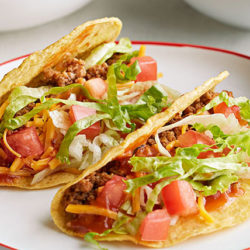
Tacos de Pavo (Turkey Tacos)

Tacos de Pavo (Turkey Tacos)

fuente de imagen / receta: cookingmatters.org

Keyword: Español
Ingredients
  • 1 libra pavo molido magro
  • 1 calabacín mediano
  • 1 zanahoria mediano
  • 1 lata frijoles pintos bajos en sodio
  • 1 cucharada chile en polvo
  • 1 cucharadita ajo en polvo
  • 1 cucharadita orégano
  • ½ cucharadita sal + pimienta
  • 1 paquete tortillas de trigo o tortillas de maíz
Instructions
  1. Lave, pele y ralle la zanahoria, el camote o el calabacín (rállelo sin pelarlo).

  2. Lave y ralle la lechuga. Lave el tomate, sáquele el centro y píquelo.

  3. Ralle el queso.

  4. Escurra y enjuague los frijoles en un colador.

  5. Rocié una sartén grande con aceite en aerosol. Caliente a temperatura media alta. Eche el pavo y dórelo.

  6. Agregue las verduras ralladas, los frijoles, los tomates enlatados, el chile en polvo, el ajo en polvo, el oregano, la sal y la pimienta negra. Revuelva bien.

  7. Reduzca la flama a temperatura media. Cocine hasta que espese, por unos 20 minutos.

  8. Añada 2 cucharadas a cada tortilla. Échele encima el queso rallado, lechuga y tomates frescos.